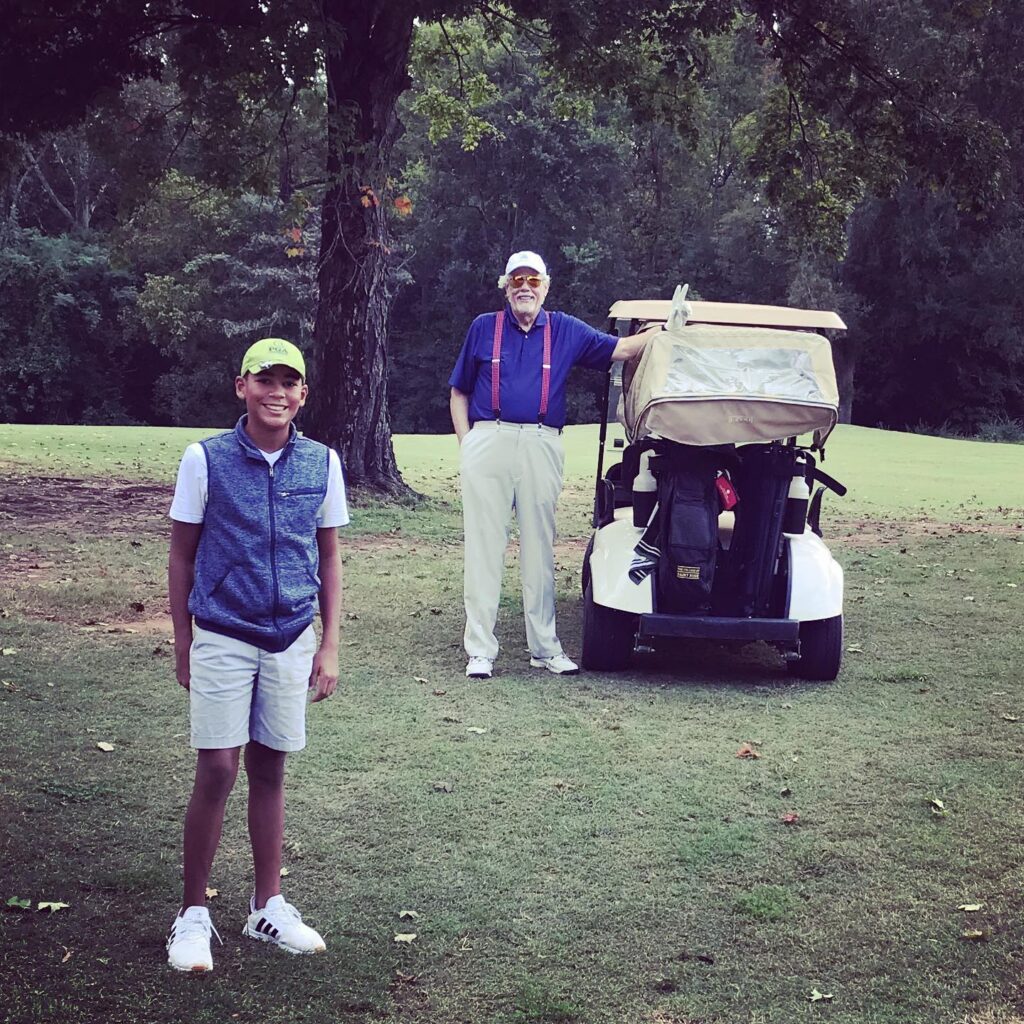
Coach Joe: ‘This program has taught me to become a better coach and father’ 

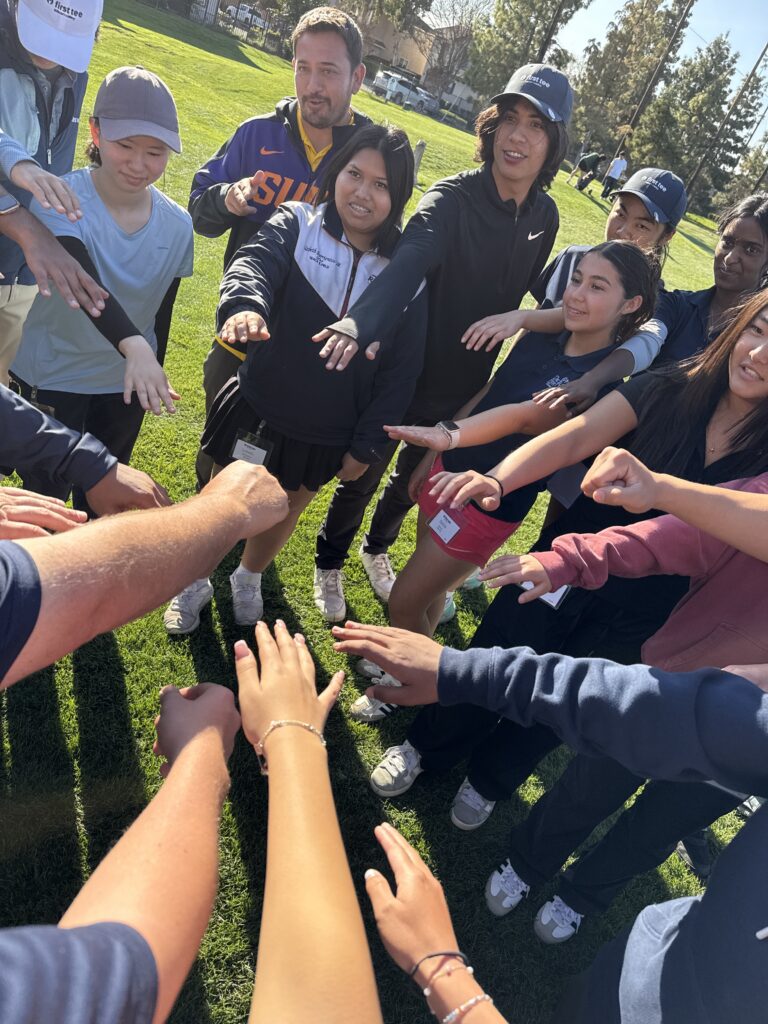
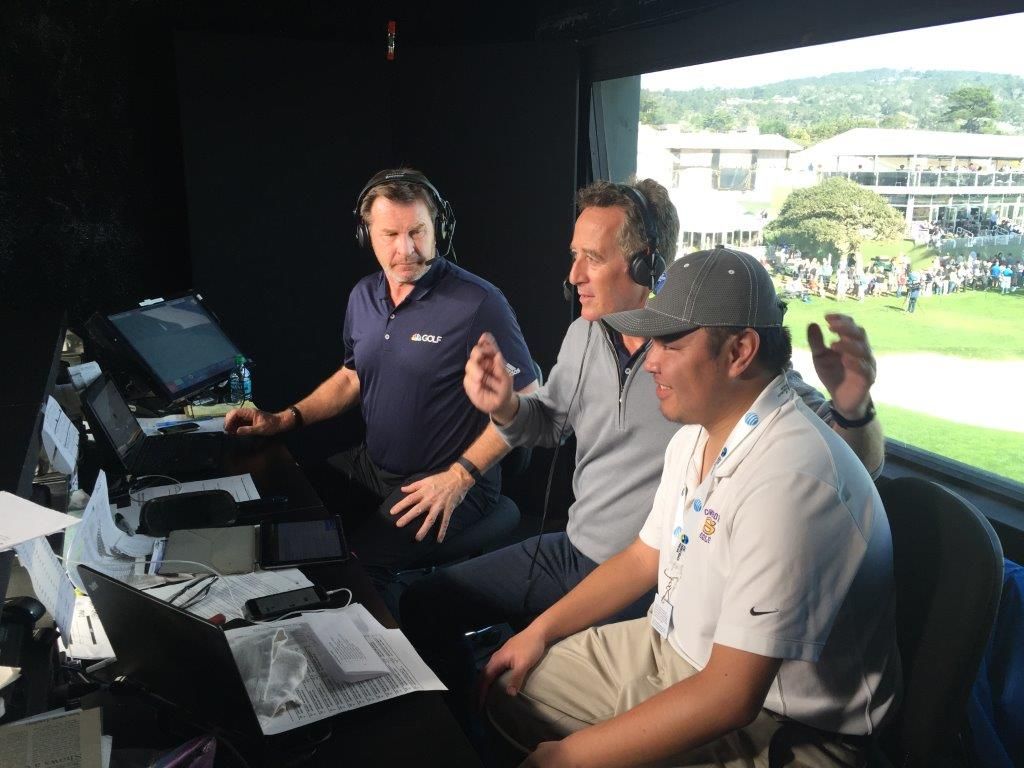
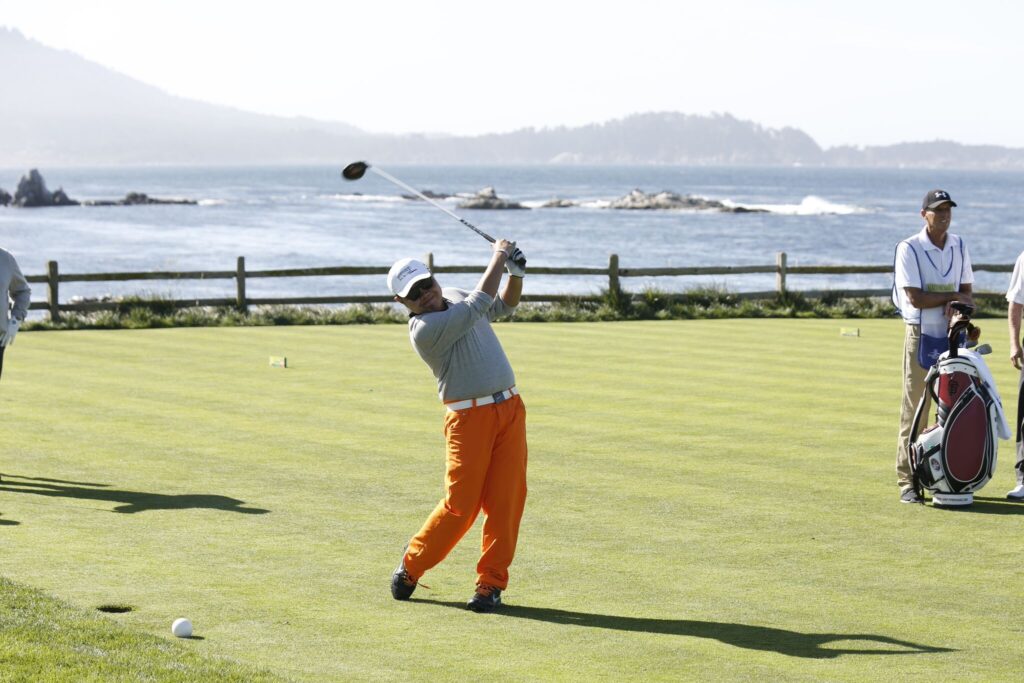
Joseph Goh, or Coach Joe as many know him from First Tee – Greater Dallas, has been a coach for more than 17 years. He sat on the board of directors for the Greater Dallas chapter until focusing his time as a volunteer coach, where he made it his goal to recruit other volunteers. 

Originally from Singapore, Joe started his journey as a coach through First Tee – Singapore and moved to the United States after his technology company was bought out by a company in Dallas. Eventually, he and his wife planted themselves in Texas and started their own family.  

“First Tee is more than a golf instruction program; we teach life skills. This program has taught me to become a better coach and father because of it,” he said. 

He enrolled his two children in the program and the rest became history.  

His two kids participated in First Tee throughout high school. His oldest, Jonathan, attended the University of California, Los Angeles and graduated in 2021 with a major in electrical engineering. He currently works at Amazon Robotics in Boston as a hardware development engineer. 

His youngest daughter, Joni, is attending the University of Texas in Austin and will graduate in May 2023 with her degree in architecture engineering. She is currently an intern at The Boring Company and will be working with Southland Holdings as a business development associate. 

“I want to emphasize that the First Tee program has built a foundation for its participants, including my own kids,” said Joe.  

He makes it his mission to positively impact and equally empower First Tee participants with the skills and opportunities they need to be successful.  

“As a volunteer coach at First Tee, I could change the trajectory of a child’s life,” he said. “No other organization gives me the opportunity to impact another’s life and add value to them like First Tee would.” 

Joe, like many other First Tee coaches, is just one of many unique stories that make First Tee’s impact so profound. If one person can make a difference, a difference can be made upon a multitude of generations.  

Derrick Ow on how he overcame an obstacle to achieve his dream 

Without First Tee, I would still be the shy kid from Salinas, CA with Autism Spectrum Disorder.  

Devoid of lessons learned through First Tee programs, I would simply not be writing this letter yet alone be talking.  

When you suffer sixteen seizures at two years old and have doctors tell your parents that you will never talk or never succeed in a mainstream class in school, I guess you can say I learned perseverance early in my life.   

My parents enrolled me into numerous special education classes, occupational and physical therapy to regain my small muscle skills. However, with those classes came constant bullying of racial slurs and derogatory labels.  Looking for appropriate programs that would help my social and physical development, my parents enrolled me into First Tee – Monterey County in 2005.  

You can say that my local chapter and I have grown up together, so I consider myself part of the foundation and groundwork of our chapter. The coaches were always inclusive and willing to help guide my growth as a young adult on and off the golf course.  

Despite the respect and acceptance into a sport that has given me so much, I still had a secret that I needed to tell. I did not share my disability with my First Tee coaches until 2014 when I talked to our Executive Director, Nick Nelson.  

I was applying for the Outstanding Participant Summit, and I needed a recommendation letter from him. When he read my essay for the application he said to me,” Derrick, I had no idea you had Autism.”  

Hearing that from someone I respect and look up to be a huge weight lifted off of my shoulders. This was the first time in my life that I felt loved by people who truly care for me, the sport of golf provided me an inclusive and safe environment where I was allowed to grow and develop as a golfer but most importantly a future citizen.  

Building on this newfound confidence I was able to share my disability with my best friends at school and others outside my family.  

In addition to life skills and core values I learned the importance of networking. I was honored to participate in five national First Tee events, where I met fellow First Tee members like me from all around the country. I keep in touch with most of the participants I have met along the way and cherish their friendship and support.    

What so many people consider to be a rich man’s sport is a sport that has given me a once in a lifetime opportunity. First Tee taught me life and golf skills – how to speak at public events to coaching an anti-bullying station during summer camp.  

Most of these small accomplishments seem impossible to achieve with a disability like mine, but all you have to do is persevere through all the learning experiences I had to endure, working hard and never ever giving up. That is the impact First Tee has given me.  

Marcus Freeman Pays it Forward

First Tee is celebrating its 25th anniversary this month, and over the years, it’s helped produce no shortage of game changers. 

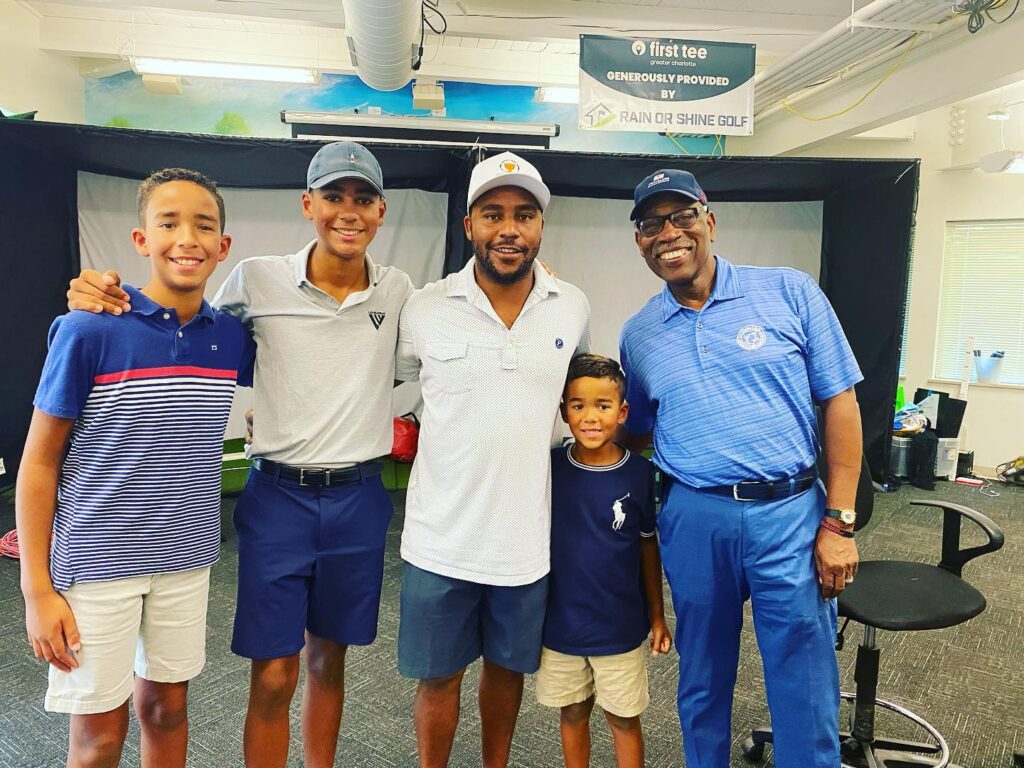
One example is Marcus Freeman from First Tee – Greater Charlotte. He says the organization has helped him grow as a golfer and person. 

“Being a part of this community has helped me get through hard times. First Tee – Greater Charlotte was a safe place for me in 2020. During this time my grandfather was going through end stage pancreatic cancer and my family, like the world, was navigating COVID-19 and social distancing,” he says. 

The support he received from First Tee inspired Freeman to pay it forward. 

He completed more than 300 hours of volunteer work for First Tee in 2021. He collected more than 500 books for a First Tee book drive, and he’s a member of the chapter’s participant advisory council. Freeman has also volunteered for his swim team and tutored students in Japanese.

“An aspect of volunteer work that I enjoy is seeing the impact that giving to others can have,” he says. 

Freeman is one of 28 First Tee participants from across the country who’ll attend Innovators Forum this November in Dallas. The workshop empowers First Tee teens to develop a meaningful service project in their community focused on education, health or sustainability. Eight participants will be awarded scholarships totaling $32,000 after the event.

A junior at Palisades High School, Freeman is an accomplished violinist, and he won a medal for performing Japanese poems in 2019. Freeman aspires to study sports science in college. “I enjoy learning more about physical fitness and how the body works,” he says. Freeman spends his free time researching training tips and injury recovery. 

As he progresses as an athlete and student, Freeman says he’ll continue to use the lessons and qualities he’s learned at First Tee, including confidence. 

“When I first joined the program, I was a little shy when meeting new coaches, parents and other players. I spent time observing the instructors and how they interacted with all the different people coming and going. I saw them shake hands, make eye contact, smile and speak confidently,” he says.  

“I knew I wanted those skills as well. I pushed myself out of my comfort zone, and I started to apply what I observed to my own social skills. I practiced a strong handshake. I introduced myself to people I didn’t know, and I have met many interesting people, like professional golfer Davis Love III, all because I have improved in sharing my personality.” 

Learn more about Innovators Forum

Alumna Hannah Rens Reaches for the Stars

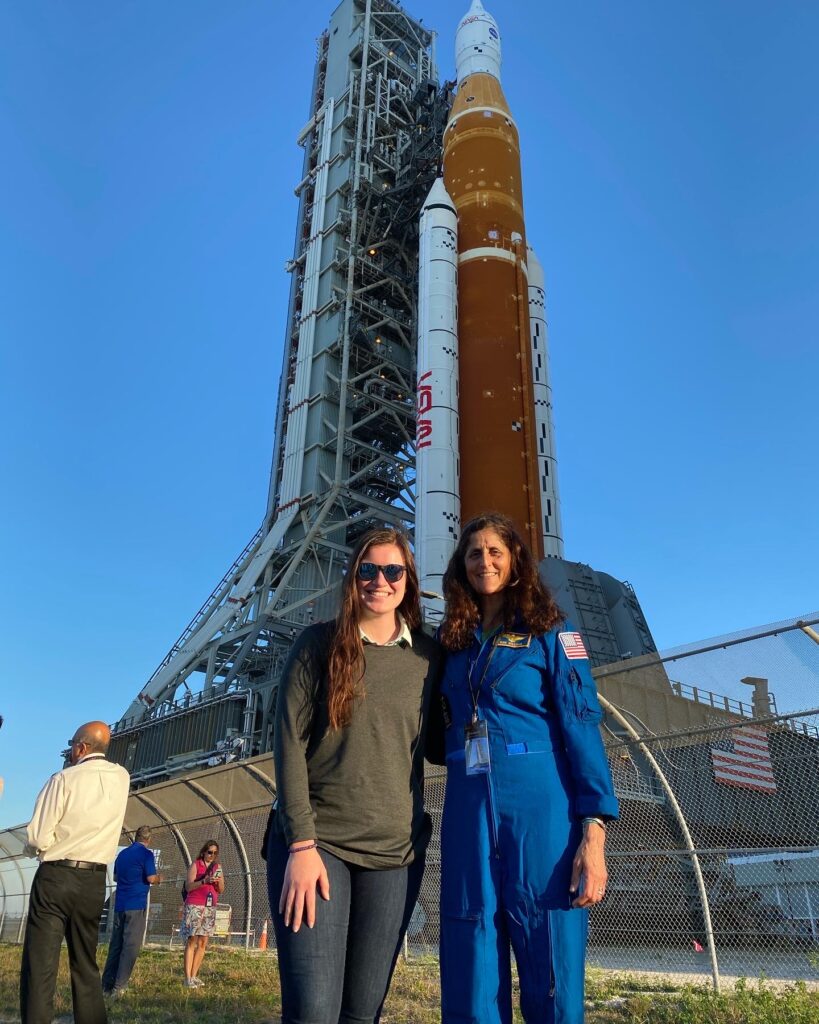
Lots of kids aspire to become astronauts but few go on to build careers in space exploration. That hasn’t stopped Hannah Rens from chasing her dreams into orbit. 

The 24-year-old is a systems engineer for Boeing Space and Launch, working on Boeing’s Starliner, a commercial crew and cargo vehicle that will be transporting NASA astronauts to the international space station.  

“My ultimate career goal is to be chief engineer of a permanent human habitat on the moon,” says Rens, a former participant at First Tee – Siouxland and First Tee volunteer. “To achieve that goal, I need to develop advanced business skills, gain industry experience and further my engineering technical education.” 

That’s why she’s attending the First Tee Alumni Summit presented by Gallagher this November in Dallas. The event provides an opportunity for selected alumni to advance their career by building new skills while reconnecting with fellow alumni and chapter leaders. 

“I’m looking to learn more about working in a rapidly evolving industry, startups and founding your own business, and how to develop an effective personal brand,” she says. 

Rens says her nine years in First Tee helped shape her future. “It provided me with a structured path to improving my golf game, peer and trusted mentors, and interpersonal and professional skills that have been essential in achieving my goals,” she says. 

While in First Tee, she was selected to attend the Leaders and Entrepreneurs Forum at Disney World. “Getting to meet other students from across the U.S. while listening and working with successful business owners and entrepreneurs was unlike any other experience I had in high school,” she says. “The business principles and goals I learned have stayed with me.” 

A graduate of the University of Texas at Austin, Rens began her career with internships focused on aircraft maintenance and repair. As Starliner prepares to expand its service to additional sites in Earth’s orbit, Rens works on vehicle life span and sustainment. Ultimately, Starliner will become one of the first spacecraft with turnaround times closer to traditional air traffic. Talk about a Game Changer. 

Rens now serves as a mentor for high school and college students who want careers in the space industry, and she’s enrolled in an astronautical engineering master’s program at the University of Southern California focusing on human spaceflight. 

Rens still golfs, and she’s a certified open water and dry suit SCUBA diver. Learn more about the accomplishments of First Tee alumni

Game Changing Alumni

For over 25 years, we’ve used golf to teach lessons about life. We’ve spun the unexpected challenges on the fairway to coach kids about adversity in the everyday. It’s not just a game, its game-changing.

Our alumni are a reflection of that commitment we made to building game changers. Below are just a few of our exceptional alumni who are making a difference in the world because of the lessons learned at First Tee.

The Key to Setting Reachable Goals

Have you ever thought about your achievements in life? What were the dreams and ambitions that you wanted to work towards? How did you get there? At First Tee, these are the type of questions we propose to kids and teens to help them understand the process of attaining goals; but to reach their goal, they must first understand how goals are formulated.  

A goal is something that you want to do, be or have, but it’s not something that you can do, be or have right at this moment. It’s something you must work to get in the future, and you can apply that to any challenge in life. For example, if your child wants to achieve Honor Roll and receive all As and Bs in school this year, what would that require them to do? They would need to do well on tests and assignments. How would they accomplish that? Encourage them to take good notes, turn in their work on time, and study for their tests. 

For kids, having guidelines or tools can effectively help them identify their goals and make them feel comfortable about reaching them. At First Tee, we utilize four guidelines to do this. Talk to your child about the dreams they currently have and try these out for yourself. 

Four Guidelines for Setting a Reachable Goal: 

  • The goal is Positive: 
    • I want to achieve a passing score of 80% or higher vs. I don’t want to fail this test 
  • The goal is Important to You: 
    • The goal needs to be important to you, not to someone else. You should be able to explain why you want to achieve it and why it will make a difference for you. 
  • The goal is Specific: 
    • You want to know exactly what you’re working toward. 
    • It must have a time deadline to hold yourself accountable and a specific metric upon which you can evaluate your progress.
  • The goal is Under your Control: 
    • Your efforts will allow you to achieve this goal vs. Something that is out of your control like becoming famous or winning the lottery. 
    • Focus on the process, which will lead to the desired outcome.

Goal setting is a strategy kids and teens will apply for the rest of their life. When we set our goals, we want to be very clear about them so that we have the best chance to achieve them. The key to remember is that goals come in all shapes and sizes. Just because it doesn’t work for someone else doesn’t mean that you can’t achieve it. Your kids will learn from both their achievements and setbacks, but as they begin to set personal goals, they will learn and grow in ways that you did not think possible. 

Want to get involved with what we are building at First Tee? Click here to find out more. 

Developing Positive Mental Health

May is Mental Health Awareness Month – a great time to check in with yourself and consider how you might be able to support others. 

“Showing up for others means that you are there for someone when they need you,” explained Emma Laker, a participant with First Tee — Greater Cincinnati & Northern Kentucky. “You show kindness by helping others and not just thinking of yourself. You give people the respect they deserve.” 

Mental health challenges can affect anyone – from professional golfers to friends and family. In 2019, a third of high school students reported persistent feelings of sadness or hopelessness, according to the Centers for Disease Control and Prevention.  

All of that is to say: If you’re struggling, you’re not alone. 

Be there for your team and ask for help when you need it 

Emma said it feels good to have people she can count on. “It shows me that I am surrounded by friends and family that love me no matter what. I can look up to my friends and family to help me through the rough times,” she said. 

Who is on your go-to team? Maybe it’s family, friends, teachers and coaches. Building strong relationships is one of the best strategies for improving your mental health, according to the CDC. 

Game Changers seek out good groups of people that lift them up and allow them to feel safe to be themselves. 

If you’re feeling alone, there are organizations that can help

Talk about your feelings 

It takes lots of courage to speak out about mental health issues you may be facing. By sharing your challenges, you’re not only helping yourself but others, too.  

Recently prominent members of the sports world, from Simone Biles to Michael Phelps, have talked about their own struggles and the importance of destigmatizing mental health challenges. No one should feel embarrassed or scared to acknowledge the difficulties they’re facing. 

Talking about your problems is the best way to find help! Some mental health situations do require bigger interventions, which is why it’s important to talk to adults about how you’re feeling. 

Develop a healthy mindset 

As we’ve all seen over the last few years, there are periods when unexpected challenges appear. During the COVID-19 pandemic, many kids experienced the difficulties that come with virtual school, family financial troubles and even losing loved ones.  

Fortunately, there are ways to help prepare for tough times.  

  • Stay positive: Don’t be too hard on yourself when things don’t go perfectly and take a few moments to feel proud of your victories – no matter how small. 
  • Do your best: Giving your best effort helps you realize your capabilities. 
  • Give back: Emma volunteers at her church and school, and it feels amazing, she said. “I realize how extremely lucky and blessed I am to have all the love and support of my family and friends. When I am helping others, I feel like I am giving them some of my joy and happiness.” 
  • Take ownership: It’s normal to feel anxious sometimes but remember that you have control over many of the challenges you face. Practicing problem solving tools like STAR – Stop, Think, Anticipate, Respond – can help you feel empowered when future difficulties arise. 

Building Understanding, Trust and Empathy with Active Listening

Every conversation can be an opportunity to learn something new, build trust with someone, and deepen connections. This happens when we build the skill of active listening and learn to treat listening as an active process – not a passive one. 

What is Active Listening?

Active listening is a way of listening and responding to another person that improves mutual understanding. It’s about being present, listening to understand (not respond), and showing active interest and engagement in the dialogue.  

Why does it matter? 

Active listening is an important skill for all of us to cultivate. Not only is it an important leadership skill, it has been shown to promote mindful thinking, can reduce anxiety and depression, helps build relationships and can promote empathy.  

How do we practice it?

At First Tee, we use a process called A-L-R to help build connection through active listening. This helps us to deepen conversations, keep them going, and get the most out of them. Here’s how A-L-R works:

  • Asking questions: Asking thoughtful questions is not only a way you can keep the conversation going, but it gives you a deeper understanding of the person or topic you are engaging with. 
    • Helpful Tip: Be curious. Try asking questions that dig a bit deeper: How did they feel in that moment? What was going on in their minds during that experience? What would they do differently the next time? These make the conversation richer, rather than closed-ended questions that are typically answered with a simple Yes or No.  
  • Listening to understand: When you ask a question, it is important to listen carefully to what the person is saying. We can sometimes be fixated on what we are going to say next, or when it’s our turn to jump back into the conversation, but try not to think about what you are going to say next.. Your focus is on them and their perspective rather than your own. 
    • Helpful Tip: Make an effort to try to clear your mind first of any distracting thoughts. It can help to jot down a mental or physical note of things on your mind in order to give your full attention. 
  • Reflect & respond to the reply: Keep the conversation going by responding in a way that connects with what they just said. You can try to restate in your own words what the person said, share what you think or feel about it, or ask another open-ended question that connects with what the person just said.
    • Helpful Tip: Show engagement and interest in what they are saying: look them in the eye when they are talking, use body language like nodding your head.


Active listening requires work, but you’ll be surprised at how much reward there is when you approach conversations and communication with this skill. Active listening is just one of the skills we are supporting kids and teens to build at First Tee. Click here to find out more about our programs.