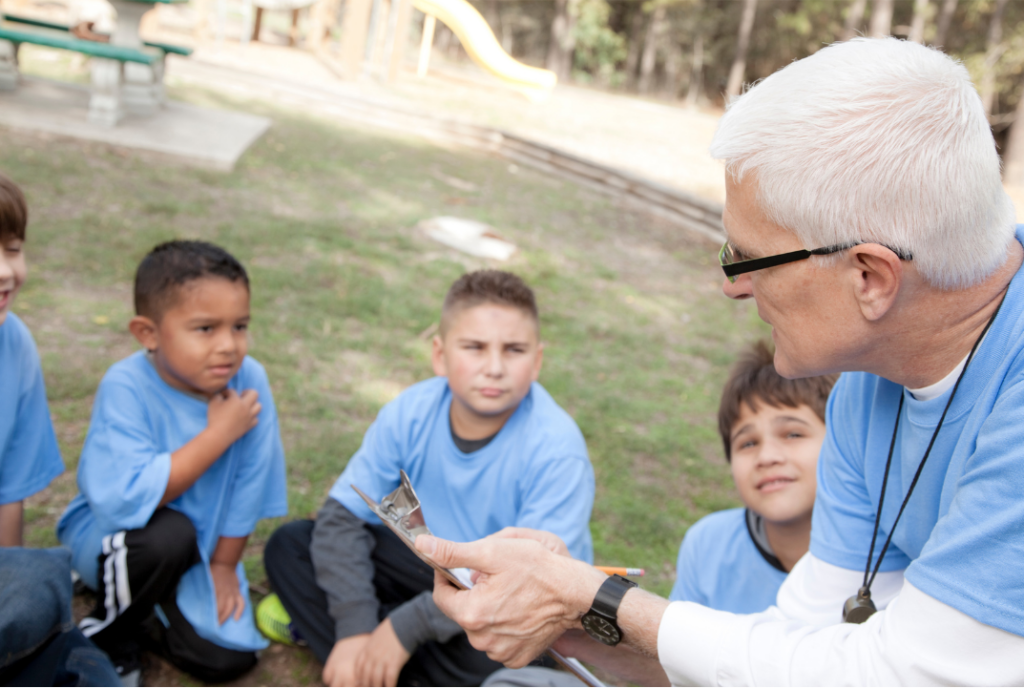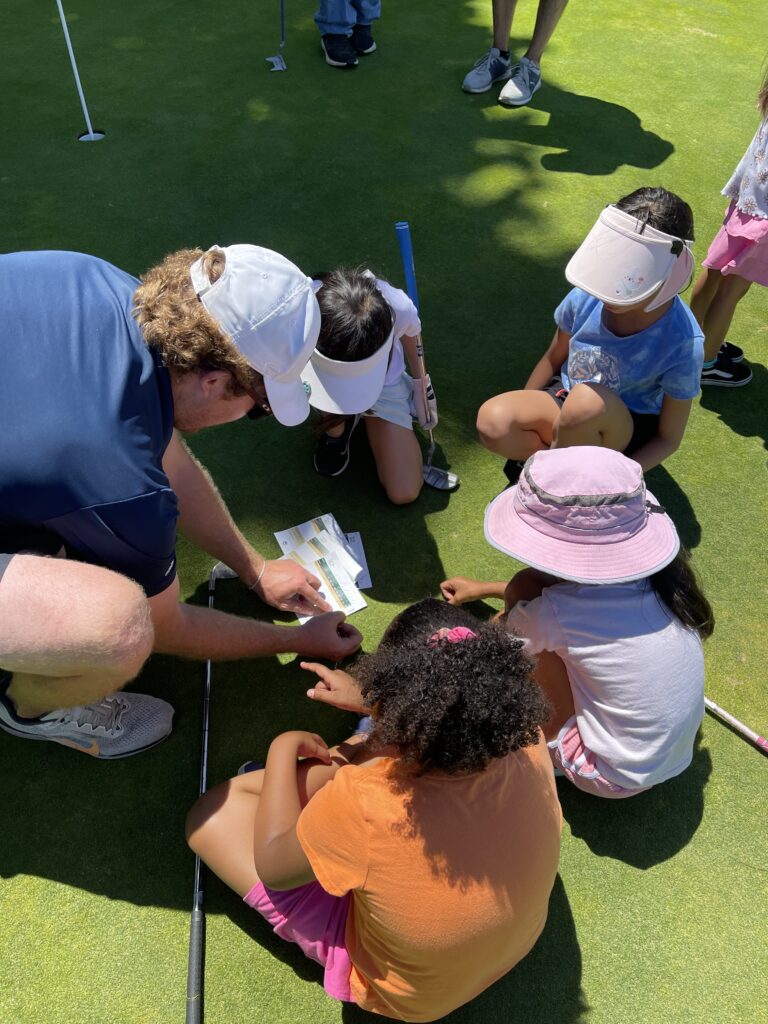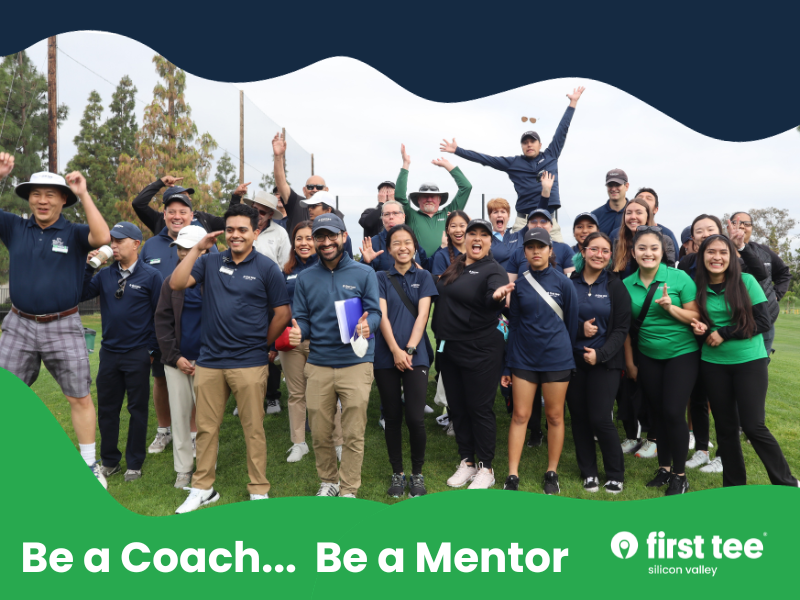
(Mental Health Awareness Month: Encouraging your child to ask for help Published by Christian Brogdon 5/14/26) Sometimes, kids who are struggling don’t speak up … not because they don’t want support, but because they haven’t practiced asking for it. Asking for help requires a child to recognize what they’re feeling, believe that feeling is worth expressing and trust that the person they tell will respond well. That’s a lot of steps, and for many kids, they may feel unfamiliar.
At First Tee, asking for help is one three steps we teach for developing grit:
- Be patient
- Be positive
- Ask for help
But as many adults know, asking for help can still be challenging. Research on youth mental health consistently points to one key factor: Children have better outcomes if there are adults in their corner who care. This doesn’t just mean parents, but coaches, mentors or teachers too.
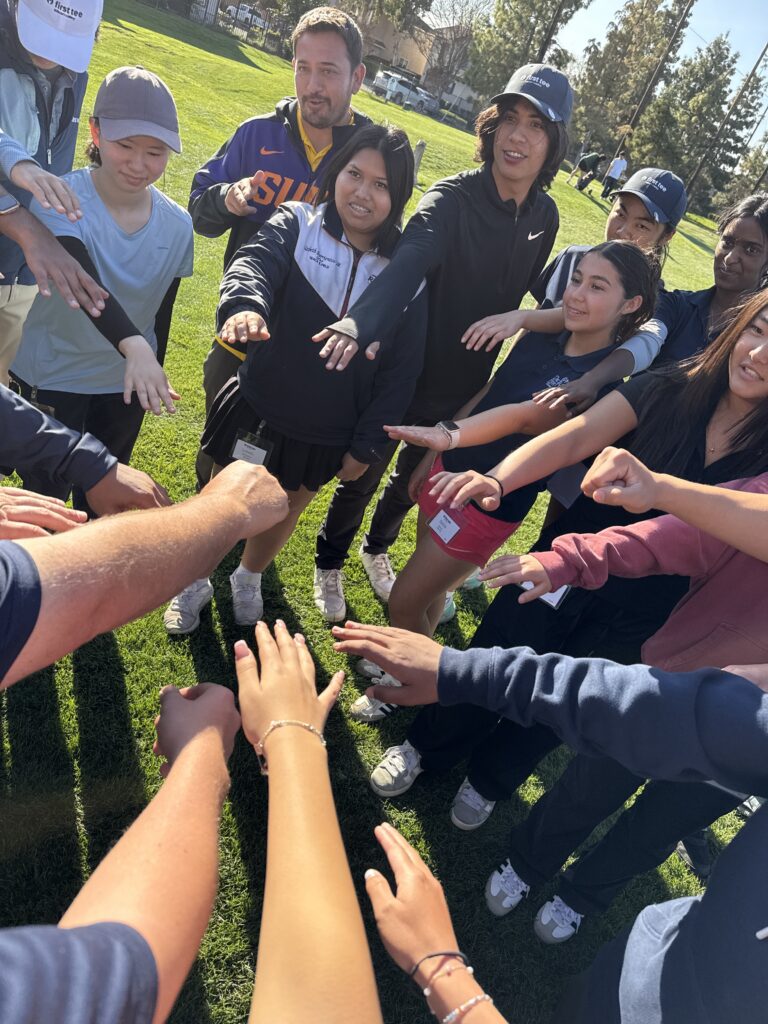
A 2025 study from First Tee and The Harris Poll found that nearly nine in 10 parents with coached children say their child has become more likely to speak up for themselves in other areas of life since participating in coached sports. That’s not a coincidence but an example of what consistent, trusting relationships with adults make possible.
Where the muscle gets built
Self-advocacy isn’t taught in a single conversation. It’s built through repeated, low-stakes moments of self-expression, and that’s exactly what well-designed youth development environments create.
Think about what it takes for a child to walk up to a coach after a frustrating round and say, “The pressure got to me.” Or to tell a teammate, “That comment bothered me.” While those moments may feel small, they’re helping kids build the skills they may one day need to say, “I’m not doing okay, and I need some help.”
Parents say a coach could impact a child’s ability to work well with others, respect others and be resilient in the face of challenges. Resilience is inseparable from mental wellness.
At First Tee, the golf course is a classroom for this kind of growth. Kids navigate conflict, pressure and disappointment with coaches who are trained to respond in ways that build trust – not shut it down. That consistency is what makes the difference.
The long game
The impact of a trusted coach doesn’t fade when the season ends. Among parents who had coaches in their own youth, 67% say they wouldn’t be where they are today without those adults in their lives, crediting them with building resilience, the desire to excel and the ability to lead. When a child learns early that it’s safe to ask for help and that the adults around them will respond with care, that lesson follows them into adulthood.

The most powerful thing a parent can do is make asking for help unremarkable. Praise it when you see it, and model it yourself. And if your child does come to you struggling, resist the urge to fix it immediately. Sometimes the most important response is simply: “I’m glad you told me.”
That moment of being heard is where self-advocacy takes root.