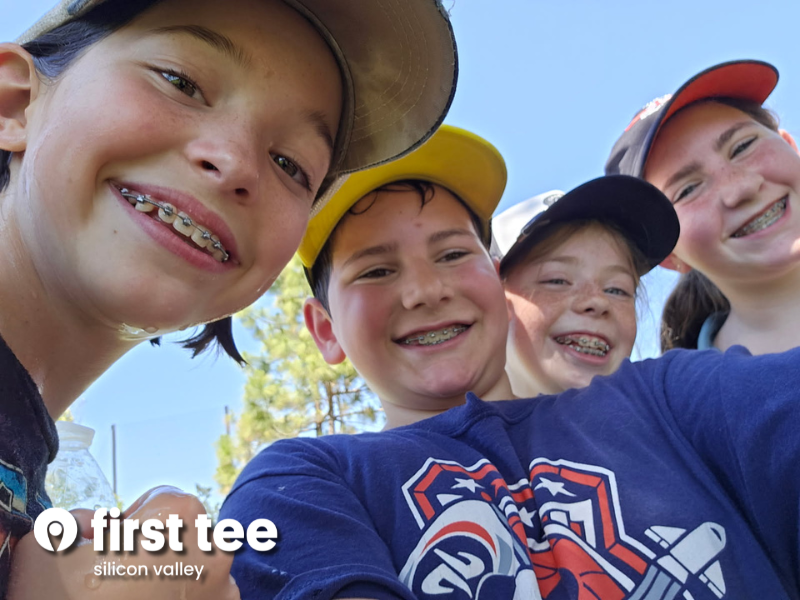
(Benefits of Extracurricular Activities on Youth Development – July 11, 2025) According to numerous published studies, students who participate in Extracurricular Activities outside the classroom experience notable gains in academic success, character building, social development and community involvement.
1. Academic Success
“Students who participate frequently in extracurricular activities tend to have higher grades, better test scores, and more positive educational experiences in general” (Claudette Christison The Benefits of Participating in Extracurricular Activities https://files.eric.ed.gov/fulltext/EJ1230758.pdf – Fredricks, 2011). Christison continues… “students involved in activities have a 10% increase in their expectations of attaining a college degree, as compared to non-participants” (Lipscomb, 2007, p. 470).
2. Character Building
“Students who participate in extracurricular activities report higher levels of self-concept and self-worth (Claudette Christison – Blomfield & Barber, 2009).” Christison goes on to explain that “they also have opportunities to develop personal interests and discover their strengths and weaknesses (Claudette Christison – Fredricks & Eccles, 2008), which is especially important during the adolescent stage of self-exploration.”
3. Social Development
Adolescents that participate in after-school sports and/or activities, are likely to experience a greater sense of belonging. “Group activities provide opportunities for students to build connections with others who have similar interests and goals, which will increase their motivation to commit long term to an activity that also increases enjoyment.” (Claudette Christison The Benefits of Participating in Extracurricular Activities https://files.eric.ed.gov/fulltext/EJ1230758.pdf).
4. Community Involvement
By participating in extracurricular sports and activities, students are exposed to communities outside the normal school networks, which can be diverse. Claudette Christison explains, … “participating in extracurricular activities creates a network between individuals and their community, including the elderly and the working class (Gatto, 2005). Students can learn the importance of giving back to the community and helping those in need. Students are also more likely to volunteer in their community after high school if they participate in extracurricular activities during adolescence (Barber, Mueller, & Ogata, 2013). These activities generate a sense of belonging to the community as a whole (Barber et al., 2013), which inspires them to be contributing members of society.”
Why Youth Development and Our Program Matters
Our kids are facing challenges beyond life’s expected growing pains. They experience pressures within their communities, online, and the world. It is important for all kids and teens to engage in safe opportunities and programs that foster a culture of acceptance and provide mentorship.
Our program addresses all four benefits.
- 100% of our teens that have been with us for more than 3 years graduate high school and our Fall Ace class demystifies the college exploration and application process.
- Character building is at the core of who we are and what our mission is all about. Of our 6 Life Skills, we have 4 lessons centered around how to build a positive self-identity, 4 lessons designed to help a participant overcome challenges, and 4 lessons focused on how to make informed decisions and work well with others.
- When our long-standing participants give speeches or reflect on their time with us, many point to how they have developed socially, and feel First Tee – Silicon Valley is a safe and supportive community. Shaking hands, introducing oneself, and asking questions are behaviors and actions that we encourage and try to develop for all participants in our program.
- Last year we had over 120 junior volunteer coaches give back and help mentor our youth. Of the 127 junior volunteers more than 75% were or are active participants in our program. Many of them said they remembered their junior coach when they were young and wanted to give back as soon as they were eligible.
2025 School Year is coming fast!
Many extracurricular sports and activities require try-outs, signups and/or fees weeks in advance. Make sure you’re keeping up with groups and organizations’ communications. Learn more about First Tee – Silicon Valley’s youth programs.
The First Tee – Silicon Valley FALL 2025 Classes begin September 9th
Registration for our Fall 2025 Classes opens here on Wednesday, August 13th at 11am. Register for an 8-week set of classes at one of our three locations:
- Rancho del Pueblo (San Jose)
- Baylands Golf Links (Palo Alto)
- Gavilan College Golf Course (Gilroy)
Classes are open to all youth from 2nd to 12th grade. Equipment Provided. Registration Fee is $250 for our Rancho del Pueblo Golf Course and Gavilan College Golf Course classes and $300 for our Baylands Golf Links classes. Financial aid is available on a sliding scale and can reduce the fee to $20-$180.
If you’re interested in registering your child or want to ask a question, please fill out the inquiry form below.